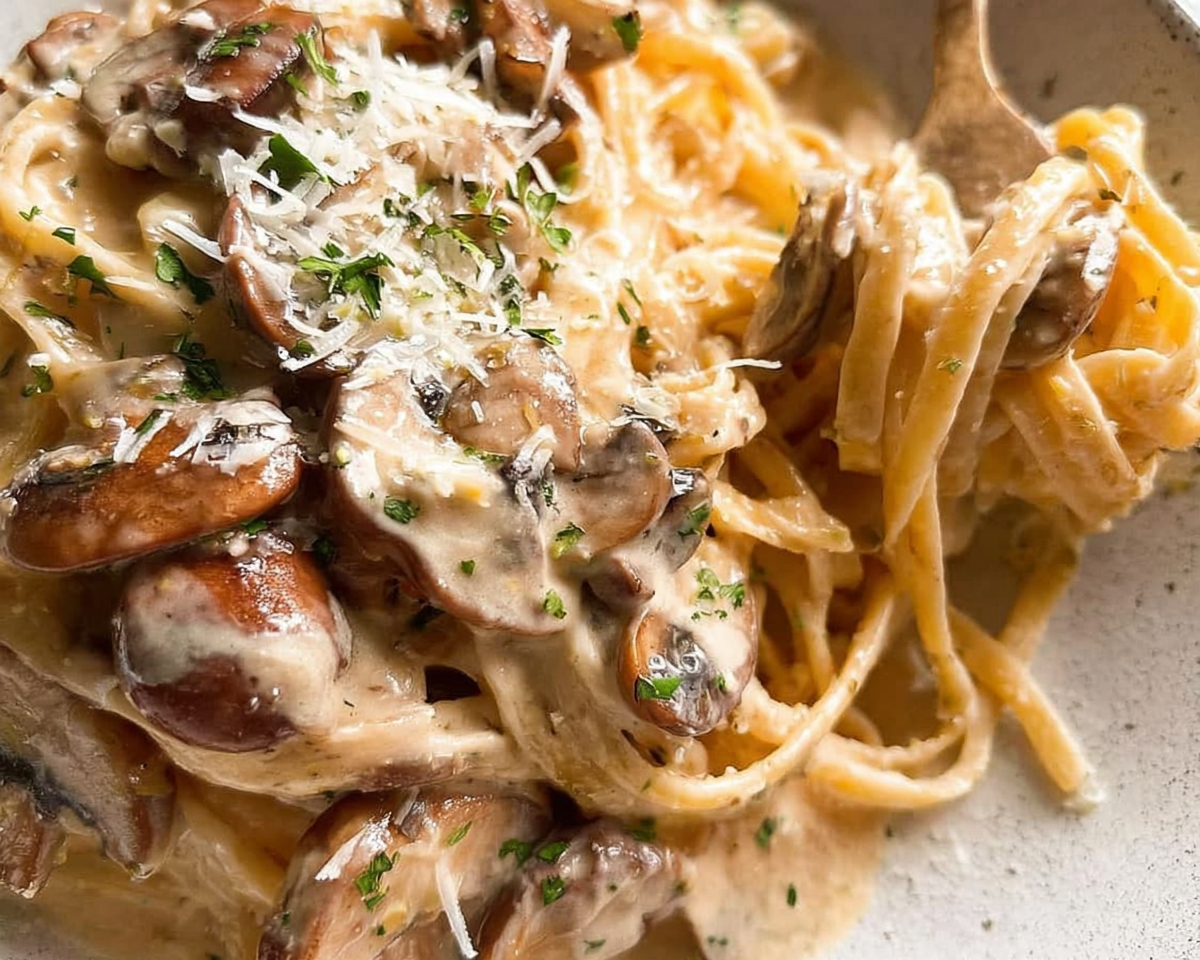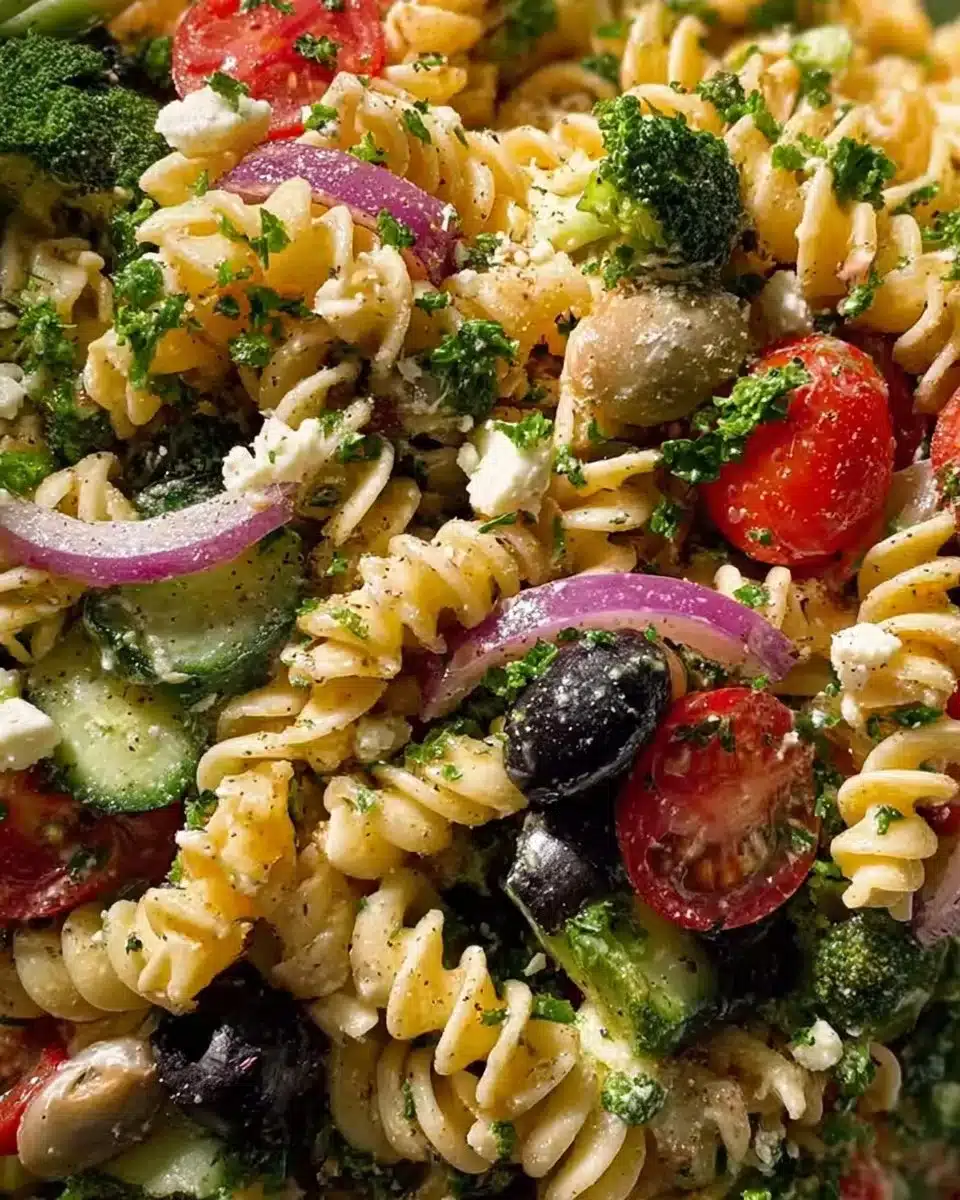
Sautéed Vegetables Recipe for a Healthy Side Dish

This post may contain affiliate links, learn more.
As a passionate home cook, I find that sautéed vegetables are a delightful way to bring color and flavor to any meal. The moment you heat the olive oil and garlic, the aroma fills the kitchen, creating an inviting atmosphere that beckons family and friends to gather. Sautéed vegetables are not just a side dish; they are a canvas for creativity, allowing you to mix and match your favorite veggies. Whether it’s a busy weeknight or a special family dinner, these sautéed vegetables can transform simple ingredients into a vibrant, healthy side dish that everyone will love.
What is Sautéed Vegetables?
Sautéed vegetables are a cooking technique that has roots in various global cuisines, particularly in Mediterranean and Middle Eastern cooking. The term “sauté” comes from the French word meaning “to jump,” which perfectly describes how the vegetables dance in the hot oil as they cook. This method allows for quick cooking while preserving the vibrant colors, textures, and nutrients of the vegetables.
In many cultures, sautéed vegetables are a staple, often served as a side dish or incorporated into savory veggie dishes. For instance, in Middle Eastern cuisine, sautéed vegetables are frequently combined with spices and served alongside rice or flatbreads, creating a harmonious balance of flavors. This technique not only enhances the natural sweetness of the veggies but also allows for endless variations, making it a favorite among health-conscious cooks and families alike.
Whether you’re whipping up a simple delicious meal for your family or preparing a colorful vegetable salad, sautéed vegetables can easily adapt to your taste preferences. The beauty of this dish lies in its versatility, allowing you to explore different combinations of filling vegetables, herbs, and spices from around the world. So, let’s dive into the world of sautéed vegetables and discover how this simple technique can elevate your home cooking!
Why You’ll Love This Sautéed Vegetables
- Quick and Easy: This recipe takes just 20 minutes from start to finish, making it perfect for busy weeknights.
- Flavorful and Fresh: The combination of garlic and fresh herbs elevates the natural sweetness of the vegetables, creating a dish that bursts with flavor.
- Health Benefits: Packed with vitamins and fiber, sautéed vegetables are a nutritious addition to any meal, supporting a healthy lifestyle.
- Family-Friendly: With its vibrant colors and delicious taste, this dish appeals to both kids and adults, making it a hit at the dinner table.
- Versatile: You can easily customize the vegetables and herbs to suit your family’s preferences or seasonal availability.
Who It’s For
This sautéed vegetables recipe is ideal for busy families looking for a quick, nutritious side dish. It’s also perfect for health-conscious cooks who want to incorporate more veggies into their meals without sacrificing flavor. Food lovers will appreciate the versatility and endless possibilities for customization, making it a delightful addition to any culinary repertoire.
When to Cook It
These sautéed vegetables are perfect for weeknight dinners when time is of the essence. They can also shine at celebrations, adding a colorful and healthy option to your spread. Whether you’re hosting a family gathering or simply enjoying a cozy meal at home, sautéed vegetables make for a delightful side dish that complements a variety of main courses.
How to Make the Perfect Sautéed Vegetables
Ingredients
- 2 cups of mixed vegetables (bell peppers, zucchini, carrots) – Feel free to swap in your favorites like broccoli, asparagus, or snap peas for added crunch and flavor.
- 2 tablespoons of olive oil – This healthy fat helps to sauté the vegetables while adding richness.
- 1 teaspoon of garlic, minced – Garlic infuses the dish with a warm, aromatic flavor that enhances the veggies.
- Salt and pepper to taste – Essential for bringing out the natural flavors of the vegetables.
- 1 tablespoon of fresh herbs (like basil or parsley) – Fresh herbs add a burst of brightness and elevate the dish.
These ingredients come together to create a simple yet delicious meal that can be tailored to your family’s preferences. The beauty of sautéed vegetables lies in their versatility, allowing you to create a dish that suits your taste and dietary needs.
Step-by-Step Instructions
- Heat the olive oil in a large skillet over medium heat. You want the oil to shimmer, indicating it’s ready for the next step.
- Add the minced garlic and sauté for about 30 seconds until fragrant. The aroma will fill your kitchen, making it hard for anyone to resist.
- Add the mixed vegetables to the skillet and stir well. Listen for that satisfying sizzle as they hit the pan!
- Season with salt and pepper, and cook for about 5-7 minutes, stirring occasionally. You want the vegetables to be tender but still crisp, retaining their vibrant colors.
- Remove from heat and stir in the fresh herbs. This final touch adds a burst of freshness that elevates the dish.
- Serve warm as a side dish. These sautéed vegetables pair beautifully with grilled meats or can stand alone as a healthy vegetable dinner.
Discover my favorite kitchen tools I always use.
For People with Diabetes: Sugar Substitutes
If you’re looking for sugar substitutes, consider using stevia, monk fruit, erythritol, or allulose. These options provide sweetness without the blood sugar spikes associated with traditional sugars. It’s best to avoid honey or maple syrup, as they can raise blood sugar levels.
Tools You’ll Need
- Large Skillet: A non-stick skillet works best for sautéing, but any large skillet will do. If you don’t have one, a frying pan can be a great alternative.
- Spatula or Wooden Spoon: Use a spatula or wooden spoon to stir the vegetables, ensuring even cooking and preventing sticking.
- Measuring Spoons: Accurate measurements of oil and seasonings help achieve the perfect flavor balance.
- Cutting Board and Knife: A sturdy cutting board and a sharp knife are essential for chopping your vegetables efficiently.
- Serving Dish: A beautiful serving dish can elevate your sautéed vegetables, making them even more appealing at the dinner table.
Tips from Well-Known Chefs
When it comes to sautéed vegetables, even the pros have their secrets to elevate this simple dish into something extraordinary. Here are some chef-approved hacks that I’ve gathered over the years:
- Use High-Quality Olive Oil: Renowned chef Lidia Bastianich emphasizes the importance of using high-quality olive oil. It not only enhances the flavor but also adds a richness that makes your sautéed vegetables shine.
- Don’t Overcrowd the Pan: Chef Thomas Keller advises against overcrowding your skillet. If you add too many vegetables at once, they’ll steam instead of sauté, losing that delightful crispness. Cook in batches if necessary!
- Season at Every Stage: Chef Jamie Oliver suggests seasoning your vegetables at different stages of cooking. A pinch of salt at the beginning, and a sprinkle of fresh herbs at the end, can create layers of flavor that make your dish pop.
- Experiment with Heat: Chef Marcus Samuelsson recommends playing with the heat levels. Start with medium heat to get a good sear, then lower it to allow the vegetables to cook through without burning.
- Finish with Acid: Many chefs, including Ina Garten, swear by finishing sautéed vegetables with a splash of lemon juice or vinegar. This brightens the flavors and adds a refreshing zing that balances the dish beautifully.
Incorporating these tips into your cooking can transform your sautéed vegetables from a simple side dish into a culinary masterpiece that your family will rave about!
Delicious Variations to Customize Your Veggies Recipe
One of the most delightful aspects of sautéed vegetables is their incredible versatility. You can easily customize this dish to suit your taste preferences, dietary needs, or even the season. Here are some delicious variations to inspire your next sautéed vegetable creation:
- Spicy Asian Twist: Add a splash of soy sauce and a teaspoon of sesame oil to your sautéed vegetables. Toss in some sliced bell peppers, snap peas, and bok choy for a vibrant Asian-inspired dish. Finish with a sprinkle of sesame seeds for added crunch.
- Italian Herb Medley: Incorporate Italian flavors by adding diced tomatoes, zucchini, and eggplant. Season with dried oregano, thyme, and a pinch of red pepper flakes. A drizzle of balsamic vinegar at the end will elevate the dish with a tangy sweetness.
- Middle Eastern Delight: For a Middle Eastern flair, include diced eggplant, bell peppers, and zucchini. Season with cumin, coriander, and a pinch of cinnamon. Serve with a dollop of yogurt or tahini sauce for a creamy finish that complements the spices beautifully.
- Root Vegetable Medley: Swap in hearty root vegetables like carrots, parsnips, and sweet potatoes. These filling vegetables add a natural sweetness and are perfect for a comforting side dish. Season with rosemary and thyme for an earthy flavor.
- Colorful Rainbow Mix: Use a variety of colorful vegetables such as purple cabbage, yellow squash, and red bell peppers. This not only makes for a visually stunning dish but also ensures a range of nutrients. A squeeze of fresh lemon juice before serving brightens the flavors.
Feel free to mix and match these ideas based on what you have on hand or what your family enjoys. The beauty of sautéed vegetables lies in their adaptability, allowing you to create a dish that is uniquely yours!
Top Tips for Perfecting Your Sautéed Vegetables
To truly master the art of sautéed vegetables, there are a few expert techniques and cooking hacks that can elevate your dish from good to exceptional. Here are my top tips, gathered from years of experience in the kitchen and insights from culinary experts:
- Prep Your Ingredients Ahead: Before you start cooking, chop all your vegetables and have them ready to go. This not only streamlines the cooking process but also ensures that everything cooks evenly. Remember, the key to great sautéed vegetables is to have them all at the same size for uniform cooking.
- Use the Right Pan: A wide, heavy-bottomed skillet is ideal for sautéing. It allows for better heat distribution and prevents the vegetables from steaming. If you have a cast-iron skillet, it’s perfect for achieving that beautiful sear and caramelization.
- Don’t Rush the Heat: Start with medium heat to get your oil hot, then adjust as needed. If the heat is too high, your vegetables may burn on the outside while remaining raw inside. Conversely, too low of a heat will result in soggy veggies. Finding that sweet spot is crucial!
- Layer Your Flavors: Add ingredients in stages. Start with aromatics like garlic or onions, then add heartier vegetables that take longer to cook, such as carrots or bell peppers. Finally, add delicate greens like spinach or kale towards the end to prevent overcooking.
- Finish with Freshness: Always finish your sautéed vegetables with a splash of acid, such as lemon juice or vinegar. This brightens the flavors and adds a refreshing contrast to the richness of the sautéed oil. Fresh herbs added at the end also enhance the dish’s aroma and taste.
- Experiment with Spices: Don’t be afraid to play with spices and seasonings! A pinch of smoked paprika, cumin, or even a dash of chili flakes can transform your sautéed vegetables into a flavor-packed dish. Explore different spice blends to find your favorite combinations.
- Let Them Rest: After cooking, allow your sautéed vegetables to rest for a minute before serving. This helps the flavors meld together and gives you a more cohesive dish. Plus, it allows any residual heat to finish cooking the vegetables perfectly.
By incorporating these tips into your cooking routine, you’ll be well on your way to creating perfectly sautéed vegetables that are not only delicious but also visually appealing. Enjoy the process, and let your creativity shine!
Storing and Reheating Tips
Properly storing and reheating your sautéed vegetables can help maintain their flavor and texture, ensuring you enjoy them even after the initial meal. Here are some clear and practical tips for storing and reheating your sautéed vegetables:
Storing Sautéed Vegetables
- Refrigeration: Allow your sautéed vegetables to cool completely before transferring them to an airtight container. They can be stored in the fridge for up to 3-4 days. This is perfect for meal prep, allowing you to enjoy healthy veggie recipes throughout the week.
- Freezing: If you want to store your sautéed vegetables for a longer period, consider freezing them. Place the cooled vegetables in a freezer-safe bag or container, removing as much air as possible. They can be frozen for up to 3 months. Keep in mind that some vegetables may lose their crispness after freezing, but they will still be delicious in soups or casseroles.
Reheating Sautéed Vegetables
- Microwave: For a quick reheating option, place your sautéed vegetables in a microwave-safe dish. Cover with a damp paper towel to retain moisture and heat on high for 1-2 minutes, stirring halfway through. This method is convenient but may result in slightly softer vegetables.
- Stovetop: To maintain the texture and flavor, reheat your sautéed vegetables in a skillet over medium heat. Add a splash of olive oil or a little water to prevent sticking, and stir occasionally until heated through, about 3-5 minutes. This method helps revive the original crispness of the veggies.
- Oven: Preheat your oven to 350°F (175°C). Spread the sautéed vegetables on a baking sheet and cover with aluminum foil to prevent drying out. Heat for about 10-15 minutes, or until warmed through. This method is great for larger batches and helps retain the vegetables’ texture.
By following these storing and reheating tips, you can enjoy your sautéed vegetables as a healthy vegetable dinner or side dish throughout the week without sacrificing flavor or quality!
Helpful Notes
As you embark on your journey to create the perfect sautéed vegetables, here are some extra clarifications and tips to enhance your cooking experience:
- Ingredient Prep: For the best results, ensure your vegetables are cut into uniform sizes. This allows for even cooking and ensures that all pieces are tender yet crisp. For example, slice bell peppers into strips, chop zucchini into half-moons, and cut carrots into thin rounds.
- Substitutions: Don’t hesitate to swap out vegetables based on what you have on hand or what’s in season. For instance, if you can’t find zucchini, yellow squash works beautifully. If you’re out of fresh herbs, dried herbs can be used, but remember to adjust the quantity since dried herbs are more concentrated.
- Cultural References: Sautéed vegetables are a beloved dish across many cultures. In Mediterranean cuisine, they often accompany grilled meats and fish, while in Asian cooking, they might be tossed with soy sauce and sesame oil. Exploring these cultural variations can inspire you to create your own unique versions of sautéed vegetables.
- Cooking Oil Options: While olive oil is a classic choice, feel free to experiment with other oils like avocado oil or coconut oil for different flavor profiles. Each oil has its own smoke point, so choose one that suits your cooking method.
- Adding Protein: To turn your sautéed vegetables into a filling meal, consider adding a protein source. Grilled chicken, shrimp, or even chickpeas can be tossed in during the last few minutes of cooking for a complete dish.
These helpful notes will guide you in making the most of your sautéed vegetables, ensuring a delicious and satisfying side dish or main course that your family will love!
Common Mistakes to Avoid
- Overcrowding the Pan: One of the most common mistakes is adding too many vegetables at once. This can lead to steaming instead of sautéing, resulting in soggy veggies. Cook in batches if necessary to ensure even cooking and that delightful crispness.
- Not Prepping Ingredients: Failing to chop and prepare your vegetables before starting can lead to uneven cooking. Always have your ingredients prepped and ready to go, so you can focus on sautéing without delays.
- Using Low Heat: Cooking on too low of a heat can cause the vegetables to become mushy and lose their vibrant colors. Start with medium heat to achieve that perfect sear and caramelization.
- Skipping Seasoning: Neglecting to season your vegetables during cooking can result in bland flavors. Remember to season at different stages for a more complex taste, starting with salt and pepper and finishing with fresh herbs or a splash of acid.
- Overcooking the Vegetables: Cooking vegetables for too long can lead to a loss of nutrients and texture. Aim for tender-crisp vegetables that retain their color and bite, usually around 5-7 minutes of sautéing.
FAQs About Sautéed Vegetables
Can I use frozen vegetables for sautéed vegetables? Yes, you can use frozen vegetables, but be aware that they may release more moisture during cooking. To achieve the best texture, thaw them beforehand and pat them dry before sautéing.
Are sautéed vegetables healthy? Yes, sautéed vegetables are a healthy option! They are packed with vitamins, minerals, and fiber, making them a nutritious addition to any meal. Using olive oil adds healthy fats, enhancing the overall health benefits.
Can I make sautéed vegetables ahead of time? It depends. While you can prepare the vegetables and store them in the fridge, sautéing them fresh will yield the best flavor and texture. If you do make them ahead, reheat gently to avoid overcooking.
What are some good seasoning options for sautéed vegetables? Yes, there are many seasoning options! You can use herbs like basil or parsley, spices like cumin or paprika, or even a splash of soy sauce for an Asian twist. Experimenting with different flavors can create exciting savory veggie dishes.
Can I add protein to my sautéed vegetables? Yes, adding protein is a great way to make your sautéed vegetables a complete meal. Consider tossing in grilled chicken, shrimp, or chickpeas during the last few minutes of cooking for a filling and nutritious dish.
Conclusion: Final Thoughts on Sautéed Vegetables
As we wrap up our journey through the vibrant world of sautéed vegetables, I hope you feel inspired to bring this simple yet delicious dish into your kitchen. The beauty of sautéed vegetables lies not only in their flavor but also in their ability to adapt to your family’s tastes and preferences. Whether you’re enjoying them as a healthy side dish or a colorful centerpiece, these veggies can elevate any meal.
So, gather your favorite filling vegetables, unleash your creativity, and savor the delightful aromas that fill your home. I’d love to hear about your sautéed vegetable adventures! Share your thoughts, variations, or any questions in the comments below. Happy cooking!
Print
Sautéed Vegetables Recipe for a Healthy Side Dish
- Total Time: 20 minutes
- Yield: 4 servings 1x
- Diet: Vegetarian
Description
A simple and delicious recipe for sautéed vegetables that makes a perfect healthy side dish.
Ingredients
- 2 cups of mixed vegetables (bell peppers, zucchini, carrots)
- 2 tablespoons of olive oil
- 1 teaspoon of garlic, minced
- Salt and pepper to taste
- 1 tablespoon of fresh herbs (like basil or parsley)
Instructions
- Heat the olive oil in a large skillet over medium heat.
- Add the minced garlic and sauté for about 30 seconds until fragrant.
- Add the mixed vegetables to the skillet and stir well.
- Season with salt and pepper, and cook for about 5-7 minutes, stirring occasionally, until the vegetables are tender but still crisp.
- Remove from heat and stir in the fresh herbs.
- Serve warm as a side dish.
Discover my favorite kitchen tools I always use.


Notes
- Feel free to use any combination of vegetables you prefer.
- This dish can be served hot or at room temperature.
- For added flavor, consider adding a splash of lemon juice before serving.
- Prep Time: 10 minutes
- Cook Time: 10 minutes
- Category: Side Dish
- Method: Sautéing
- Cuisine: Mediterranean
Nutrition
- Serving Size: 1 cup
- Calories: 120
- Sugar: 3g
- Sodium: 50mg
- Fat: 7g
- Saturated Fat: 1g
- Unsaturated Fat: 6g
- Trans Fat: 0g
- Carbohydrates: 10g
- Fiber: 3g
- Protein: 2g
- Cholesterol: 0mg