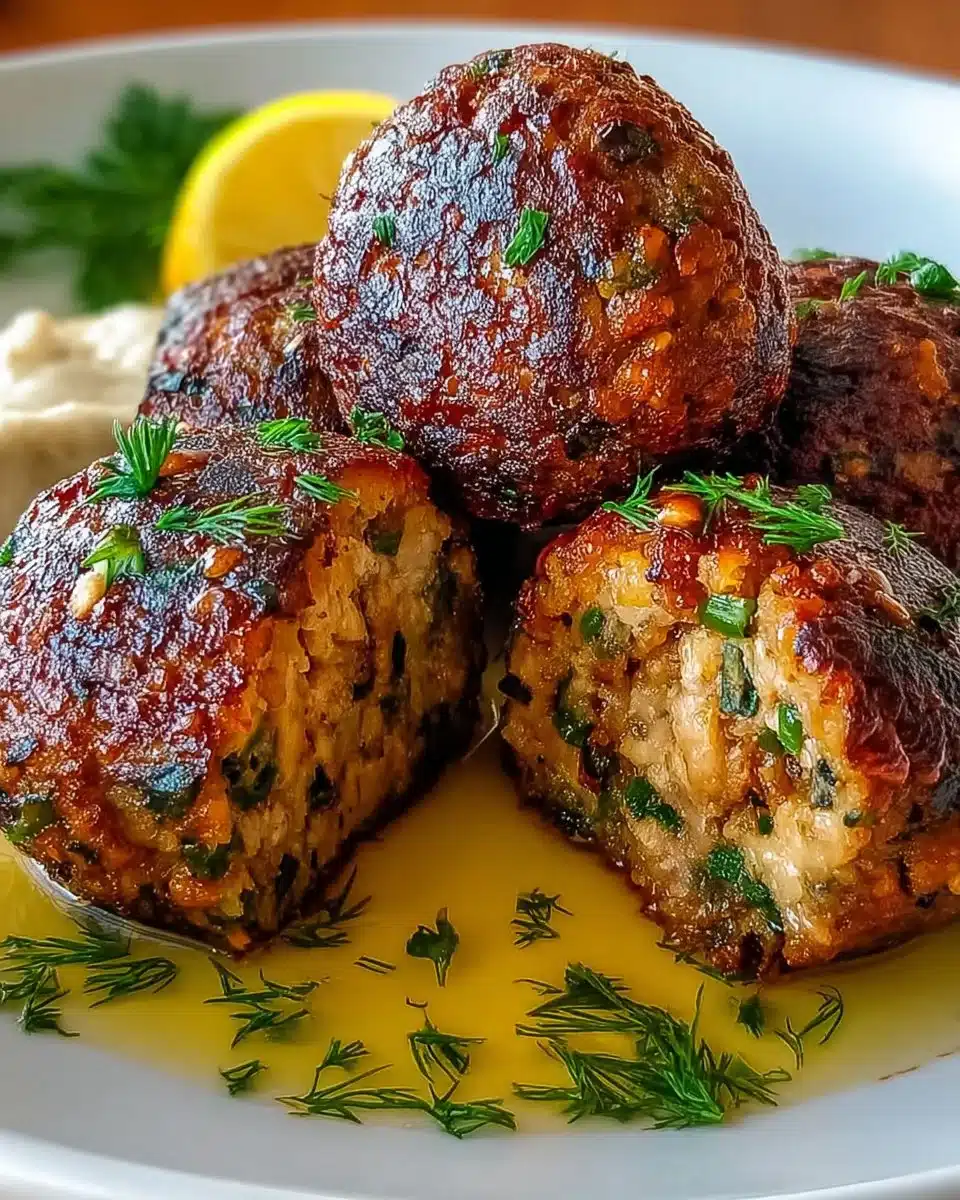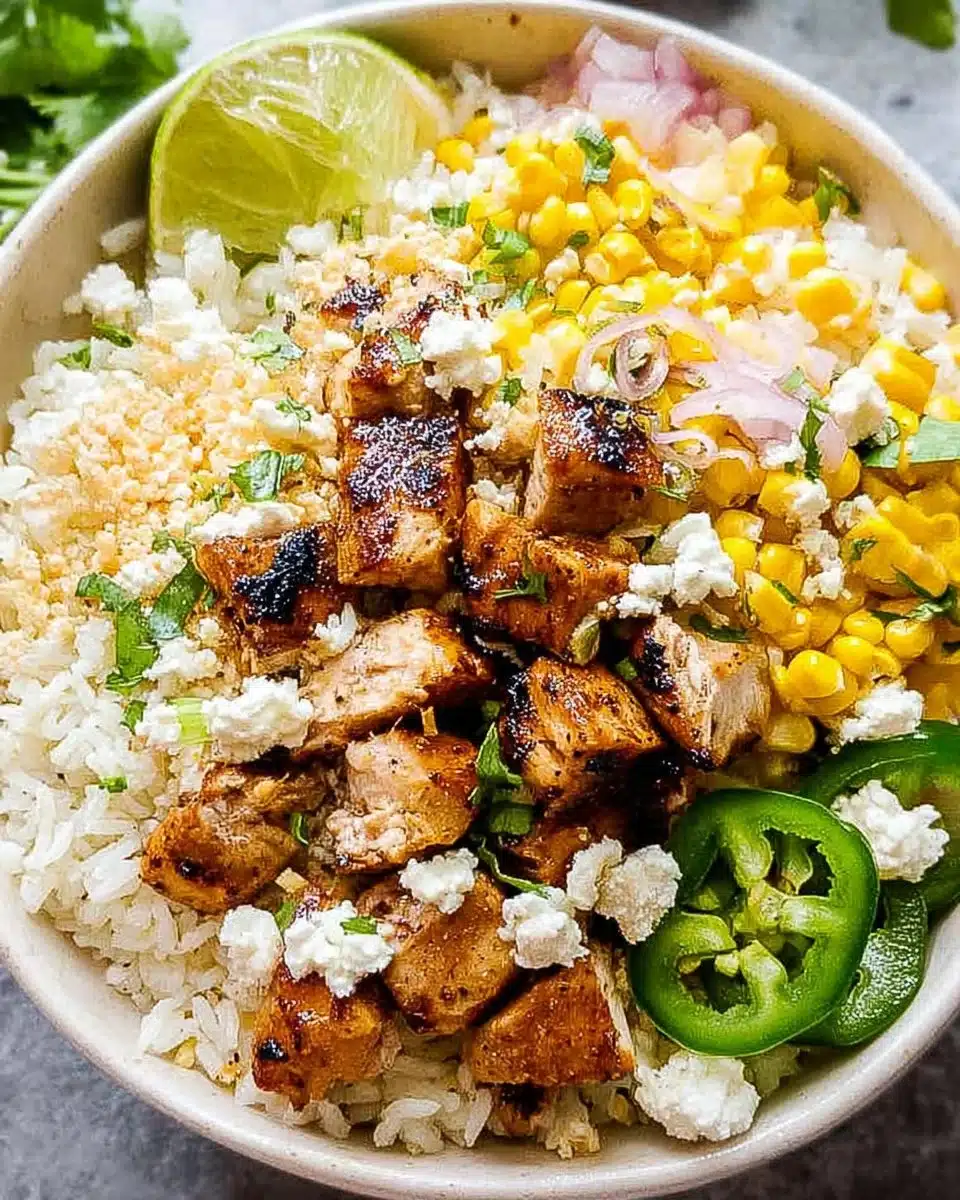
Sichuan Eggplant

This post may contain affiliate links, learn more.
Welcome to my kitchen, where the aroma of Sichuan Eggplant fills the air, inviting you to explore a world of flavor! This dish is a vibrant celebration of Chinese cuisine, showcasing the eggplant’s silky texture enveloped in a rich, spicy sauce. I remember the first time I tasted Sichuan Eggplant at a bustling street market in Chengdu; the bold flavors danced on my palate, leaving me craving more. As I recreate this dish at home, I’m reminded of the warmth of family gatherings and the joy of sharing meals. Join me as we dive into this delightful recipe that’s sure to become a favorite in your home!
What is Sichuan Eggplant?
Sichuan Eggplant is a beloved dish hailing from the Sichuan province of China, known for its bold flavors and spicy kick. This dish features tender eggplant cooked in a rich sauce made with doubanjiang, a fermented chili bean paste that adds depth and heat. The combination of garlic, ginger, and soy sauce creates a symphony of flavors that tantalize the taste buds. Sichuan cuisine is celebrated for its use of spices and unique cooking techniques, making Sichuan Eggplant a perfect representation of this culinary tradition. Whether you’re a seasoned cook or a novice, this dish offers a delightful way to explore the vibrant world of Chinese cooking.
Why You’ll Love This Sichuan Eggplant
- Convenient: Quick to prepare, making it perfect for busy weeknights.
- Tasty: A harmonious blend of spicy, savory, and slightly sweet flavors.
- Healthy: Packed with fiber and low in calories, it’s a nutritious choice.
- Family-Friendly: A dish that appeals to both kids and adults alike.
Who It’s For
This dish is ideal for busy families looking for a quick yet satisfying meal, health-conscious cooks who want to incorporate more vegetables into their diet, and food lovers eager to explore authentic flavors from around the globe. Whether you’re cooking for yourself or a crowd, Sichuan Eggplant is sure to impress!
When to Cook It
Sichuan Eggplant is perfect for a variety of occasions, including weeknight dinners when time is of the essence, family gatherings where everyone can enjoy a shared meal, or even special celebrations when you want to impress your guests with something unique and flavorful. It’s a versatile dish that fits seamlessly into any dining experience!
How to Make the Perfect Sichuan Eggplant
Ingredients
- 2 medium eggplants, cut into strips (substitute with zucchini for a different texture)
- 3 tablespoons vegetable oil (can use sesame oil for added flavor)
- 4 cloves garlic, minced (fresh garlic enhances aroma and taste)
- 1 tablespoon ginger, minced (adds warmth and spice)
- 2 tablespoons doubanjiang (Sichuan chili bean paste; essential for authentic flavor)
- 1 tablespoon soy sauce (use tamari for a gluten-free option)
- 1 tablespoon rice vinegar (adds acidity; can substitute with apple cider vinegar)
- 1 tablespoon sugar (brown sugar can be used for a deeper flavor)
- 1/2 cup water (helps to cook the eggplant evenly)
- 2 green onions, chopped (for garnish and a fresh crunch)
Step-by-Step Instructions
- Heat the vegetable oil in a large pan over medium heat until shimmering.
- Add the minced garlic and ginger, sautéing until fragrant, about 30 seconds.
- Stir in the doubanjiang and cook for another minute, allowing the flavors to meld.
- Add the eggplant strips, stirring frequently until they begin to soften, about 5 minutes.
- Pour in the soy sauce, rice vinegar, sugar, and water, stirring to combine all ingredients.
- Cover the pan and let it simmer for about 10 minutes, or until the eggplant is tender.
- Uncover and cook for an additional 2-3 minutes to thicken the sauce, stirring occasionally.
- Garnish with chopped green onions before serving, adding a pop of color and flavor.
For People with Diabetes: Sugar Substitutes
- Stevia: A natural sweetener with zero calories.
- Monk Fruit: A low-calorie option that doesn’t spike blood sugar.
- Allulose: A rare sugar that has minimal impact on blood glucose levels.
Avoid using honey or maple syrup, as they can raise blood sugar levels significantly.
Tools You’ll Need
- Large frying pan or wok
- Wooden spoon or spatula
- Sharp knife
- Cutting board
- Measuring spoons
- Measuring cup
- Serving dish
Top Tips from Well-Known Chefs
- Use Fresh Ingredients: Chef Ming Tsai emphasizes the importance of using fresh garlic and ginger for maximum flavor impact.
- Don’t Overcrowd the Pan: Chef Ken Hom advises cooking the eggplant in batches if necessary to ensure even cooking and browning.
- Adjust Spice Levels: Chef Fuchsia Dunlop suggests tasting as you go and adjusting the amount of doubanjiang to suit your heat preference.
- Let It Rest: Chef Ching-He Huang recommends letting the dish sit for a few minutes after cooking to allow the flavors to meld beautifully.
- Pair with Rice: Many chefs agree that serving Sichuan Eggplant over steamed rice enhances the dish and balances the spice.
Storing and Reheating Tips
- Refrigerator: Store leftover Sichuan Eggplant in an airtight container for up to 3 days.
- Freezer: For longer storage, freeze in a freezer-safe container for up to 2 months. Thaw in the refrigerator before reheating.
- Reheating: Reheat in a pan over medium heat, adding a splash of water to prevent drying out, or microwave in short intervals until heated through.
- Texture Tip: Note that the eggplant may become softer after freezing, but the flavors will still be delicious!
Common Mistakes to Avoid
- Not Salting the Eggplant: Failing to salt the eggplant before cooking can result in a bitter taste. Salting helps draw out excess moisture and enhances the flavor.
- Overcooking the Eggplant: Cooking the eggplant for too long can make it mushy. Aim for a tender texture while still retaining some bite for the best results.
- Skipping the Doubanjiang: Omitting this key ingredient will lead to a lack of authentic flavor. Doubanjiang is essential for achieving the signature taste of Sichuan cuisine.
- Using Low-Quality Oils: Using inferior oils can affect the overall flavor of the dish. Opt for high-quality vegetable or sesame oil for the best taste.
- Not Tasting as You Go: Failing to taste the dish while cooking can result in an unbalanced flavor. Adjust the seasoning to your preference for a more satisfying meal.
FAQs About Sichuan Eggplant
Q: Is Sichuan Eggplant spicy?
Yes, Sichuan Eggplant is known for its spicy flavor, primarily due to the doubanjiang used in the recipe.
Q: Can I make Sichuan Eggplant ahead of time?
It depends; you can prepare it in advance and store it in the refrigerator, but the texture may change slightly upon reheating.
Q: Is Sichuan Eggplant suitable for vegans?
Yes, Sichuan Eggplant is a vegan dish, making it a great option for plant-based diets.
Q: Can I substitute the eggplant in this recipe?
Yes, you can use zucchini or bell peppers as alternatives if you prefer a different vegetable.
Q: Does Sichuan Eggplant pair well with rice?
Yes, serving Sichuan Eggplant over rice is highly recommended, as it balances the dish’s spiciness and enhances the overall meal experience.
Conclusion: Final Thoughts on Sichuan Eggplant
In conclusion, Sichuan Eggplant is not just a dish; it’s an experience that brings the vibrant flavors of Chinese cuisine right to your table. I hope you enjoy making this recipe as much as I do, and that it becomes a cherished part of your family meals. If you try it, please share your thoughts in the comments below or share this recipe with fellow food lovers. Happy cooking!
Print
Sichuan Eggplant
- Total Time: 30 minutes
- Yield: 4 servings 1x
- Diet: Vegan
Description
A delicious and spicy dish featuring eggplant cooked in a rich Sichuan sauce.
Ingredients
Instructions
- Heat the vegetable oil in a large pan over medium heat.
- Add the minced garlic and ginger, sautéing until fragrant.
- Stir in the doubanjiang and cook for another minute.
- Add the eggplant strips and stir-fry until they begin to soften.
- Pour in the soy sauce, rice vinegar, sugar, and water, stirring to combine.
- Cover the pan and let it simmer for about 10 minutes, or until the eggplant is tender.
- Uncover and cook for an additional 2-3 minutes to thicken the sauce.
- Garnish with chopped green onions before serving.
Notes
- For a spicier dish, add more doubanjiang.
- Serve with steamed rice for a complete meal.
- Leftovers can be stored in the refrigerator for up to 3 days.
- Prep Time: 15 minutes
- Cook Time: 15 minutes
- Category: Main Dish
- Method: Stir-fry
- Cuisine: Chinese
Nutrition
- Serving Size: 1 serving
- Calories: 180
- Sugar: 5g
- Sodium: 600mg
- Fat: 10g
- Saturated Fat: 1g
- Unsaturated Fat: 9g
- Trans Fat: 0g
- Carbohydrates: 20g
- Fiber: 6g
- Protein: 3g
- Cholesterol: 0mg