
Traditional Shabu Shabu
This post may contain affiliate links, learn more.
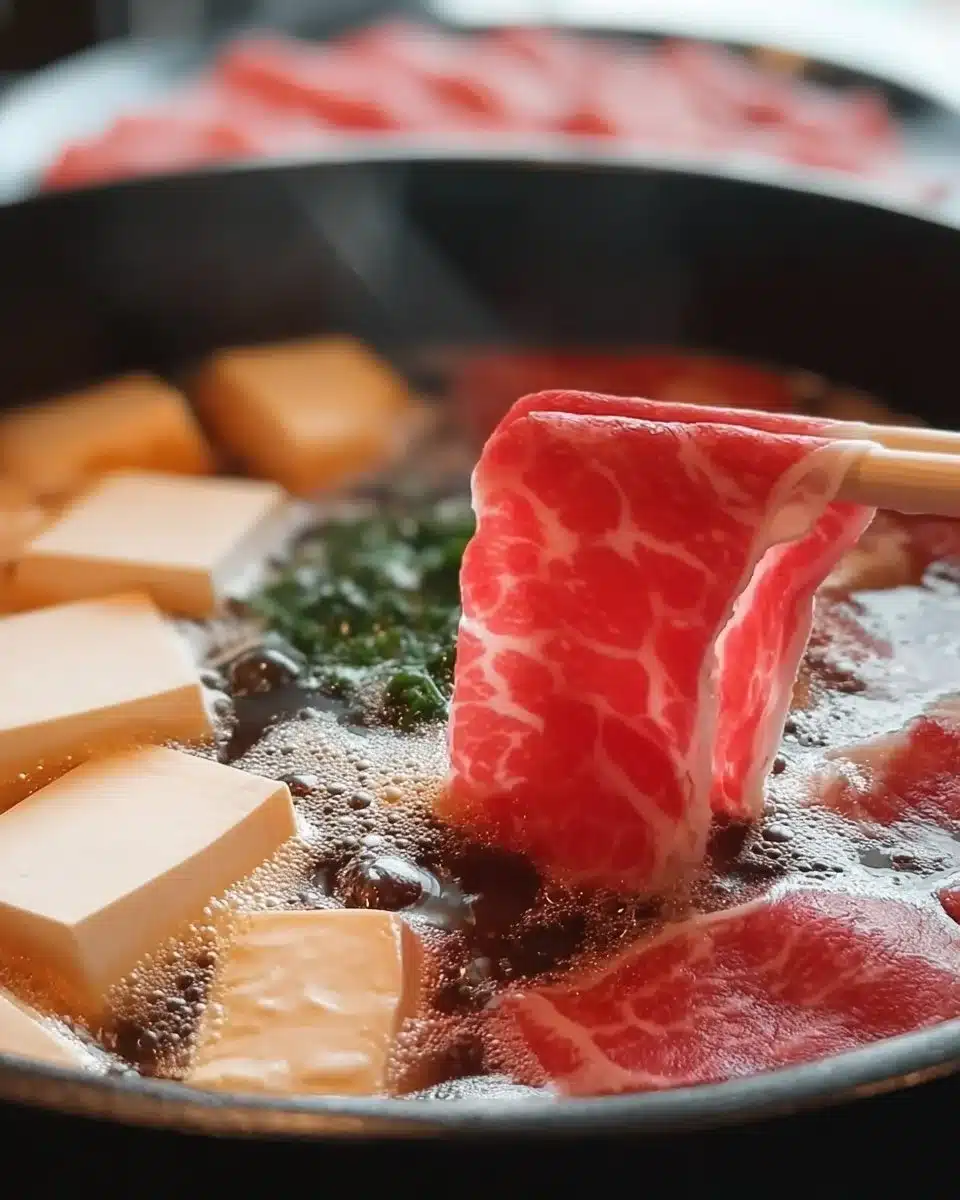
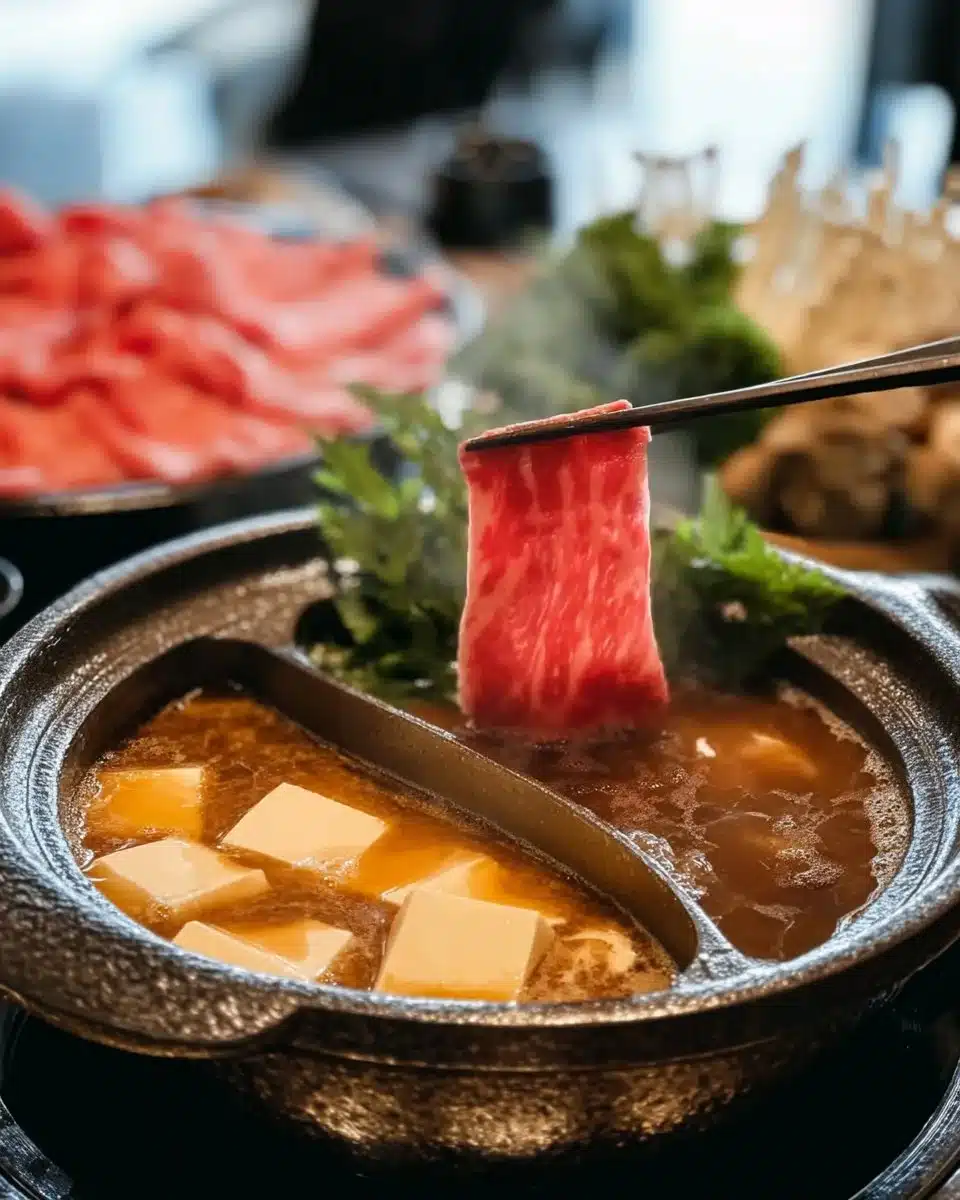
As the gentle steam rises and dances around the table, memories of family gatherings come flooding back. The bubbling broth of Traditional Shabu Shabu creates an atmosphere of warmth and sharing. This Japanese hot pot dish invites everyone to gather, laugh, and savor each moment together as they dip freshly sliced ingredients into the simmering goodness.
The allure of this dish lies not only in its flavors but in the tradition it embodies. As we assemble at the table, the vibrant colors of the vegetables and the rich, savory broth remind me of the many times I’ve experienced this delight with my loved ones. It’s not just a meal; it’s an experience steeped in culture, connection, and comfort.
Understanding the Magic of Traditional Shabu Shabu
Traditional Shabu Shabu presents a unique culinary adventure with roots deeply embedded in Japan’s culture. It is believed that the dish dates back to the late Edo period, becoming popularized in the post-war era. The term “shabu shabu” itself mimics the sound of the ingredients being swirled in the hot broth. This dish isn’t merely about sustenance; it’s about the joy of cooking and eating together, the sizzling sounds, and the fragrant aromas that envelop the kitchen.
Keywords: hot pot, Japanese cuisine, culinary tradition.
What Makes This Traditional Shabu Shabu Irresistible
- Flavor Explosion: The combination of tender beef and fresh vegetables melds beautifully in the savory broth, creating a taste that is comforting yet exhilarating.
- Customizable: You can tailor the ingredients to suit your preference, making it an ideal meal for everyone at the table.
- Healthy Eating: Packed with vegetables, lean protein, and minimal added fats, it offers a nutritious dining option.
- Fun and Interactive: The cooking process itself involves everyone, allowing guests to engage in a personal culinary experience.
Who Will Enjoy This Traditional Shabu Shabu Most
- Busy families looking for a quick, interactive dinner.
- Health-conscious cooks wanting a nutritious yet delightful meal.
- Beginners seeking a simple yet impressive dish to serve.
- Foodies wishing to explore traditional Japanese cooking methods.
When This Traditional Shabu Shabu Shines Most
- Weeknight dinners when you crave something hearty but quick to prepare.
- Family gatherings or holiday celebrations where sharing is key.
- Cozy nights in when all you want is comfort food that warms your soul.
- Special occasions that call for a unique dining experience that engages everyone.
How to Make the Perfect Traditional Shabu Shabu
Crafting the perfect Traditional Shabu Shabu at home is a delightful process that brings together flavors, textures, and fun. Here’s how you can do it.
Ingredients
- 10 g dried kelp (kombu)
- 1 liter water
- 3 tbsp sake
- Yuzu peel (optional)
- 450 g thinly sliced beef (paper-thin 1-2 mm, “shabu shabu/hot pot” slices)
- 200 g Napa cabbage (roughly cut)
- 100 g chrysanthemum greens (shungiku) (halved)
- 50 g carrot (peeled and thinly sliced)
- 100 g enoki mushrooms (roots removed)
- 100 g firm tofu (cubed)
- 4 fresh shiitake mushrooms (stems trimmed)
- 100 g bean sprouts
- 50 g thin glass noodles (harusame) (with short cooking time)
- 200 g cooked udon noodles (optional)
- 4 cut rice cakes (kirimochi) (toasted, optional)
- Ponzu sauce
- Finely chopped green onions (optional)
- Grated daikon radish (daikon oroshi) (optional)
- Spicy grated daikon radish (momiji oroshi) (optional)
- 2 tbsp sesame paste (nerigoma) (or tahini)
- 1 tbsp Japanese soy sauce (koikuchi shoyu)
- 2 tbsp rice vinegar (unseasoned)
- ½ tbsp yellow miso paste (awase)
- 2 tbsp sugar
- Garlic chive(s) (finely chopped, optional)
- Chili oil (rayu) (optional)
- Grated garlic (optional)
Step-by-Step Instructions
- Soak the dried kelp (kombu) in 1 liter of water for about 30 minutes to extract its umami flavor.
- Bring the soaked kombu water to a gentle simmer over medium heat.
- Add 3 tbsp of sake to the broth, enhancing the flavor.
- Optional: Include yuzu peel for an aromatic touch.
- Remove the kombu after the broth reaches a simmer.
- Arrange thinly sliced beef, vegetables, tofu, and mushrooms on a platter.
- Invite family and friends to dip their chosen ingredients into the simmering broth.
- Pair with ponzu sauce for a delightful dipping experience.
- Serve additional garnishes like green onions, daikon, or spicy daikon radish for an added flair.
- Enjoy the fun of hot pot dining, mingling and creating a memorable meal together.
For People with Diabetes: Sugar Substitutes
- Stevia
- Monk fruit
- Allulose
Note: Avoid using honey or maple syrup as alternatives.
Essential Tools for Traditional Shabu Shabu
- Large pot or hot pot
- Sharp knife for slicing meat and vegetables
- Cutting board
- Serving platters or bowls
- Ladle for broth
Pro Tips to Elevate Your Traditional Shabu Shabu
- For an even more profound flavor, simmer the broth for longer with additional vegetables.
- Keep the broth at a gentle simmer; a raging boil will overcook the ingredients.
- Experiment with different dipping sauces to find your favorite combinations.
- Add various ingredients like seafood or different types of mushrooms for creativity.
How to Store & Reheat Traditional Shabu Shabu
- Store leftover broth in an airtight container for up to 3 days in the fridge.
- Keep all cooked ingredients separately to maintain texture.
- When reheating, do so gently to avoid overcooking the proteins.
Avoid These Mistakes
- Overcooking ingredients: Keep an eye on timing; the thrill is in quickly cooking flavors to perfection.
- Ignoring broth flavor: Make sure to taste and adjust seasoning before serving.
- Cluttering the pot: Cook in batches to prevent overcrowding, ensuring even cooking for each ingredient.
Your Traditional Shabu Shabu Questions Answered
- Can I use any meat for shabu shabu? Yes, while beef is traditional, you can also use pork, chicken, or even seafood for a delightful variation.
- Is shabu shabu healthy? Yes, with its focus on fresh vegetables and lean meats, it offers a healthy and balanced meal option.
- How do I ensure my broth is flavorful? It depends on the quality of your kombu and how long you simmer it. Adding sake also enhances the taste of the broth.
Final Thoughts on Traditional Shabu Shabu
In this fast-paced world, there’s nothing quite like the simplicity and joy of Traditional Shabu Shabu. It’s an experience that invites us to connect, share, and savor each moment. I encourage you to create and serve this delightful dish, gathering those you love around the table. Please share your experiences in the comments or with friends who need a little warmth in their lives.
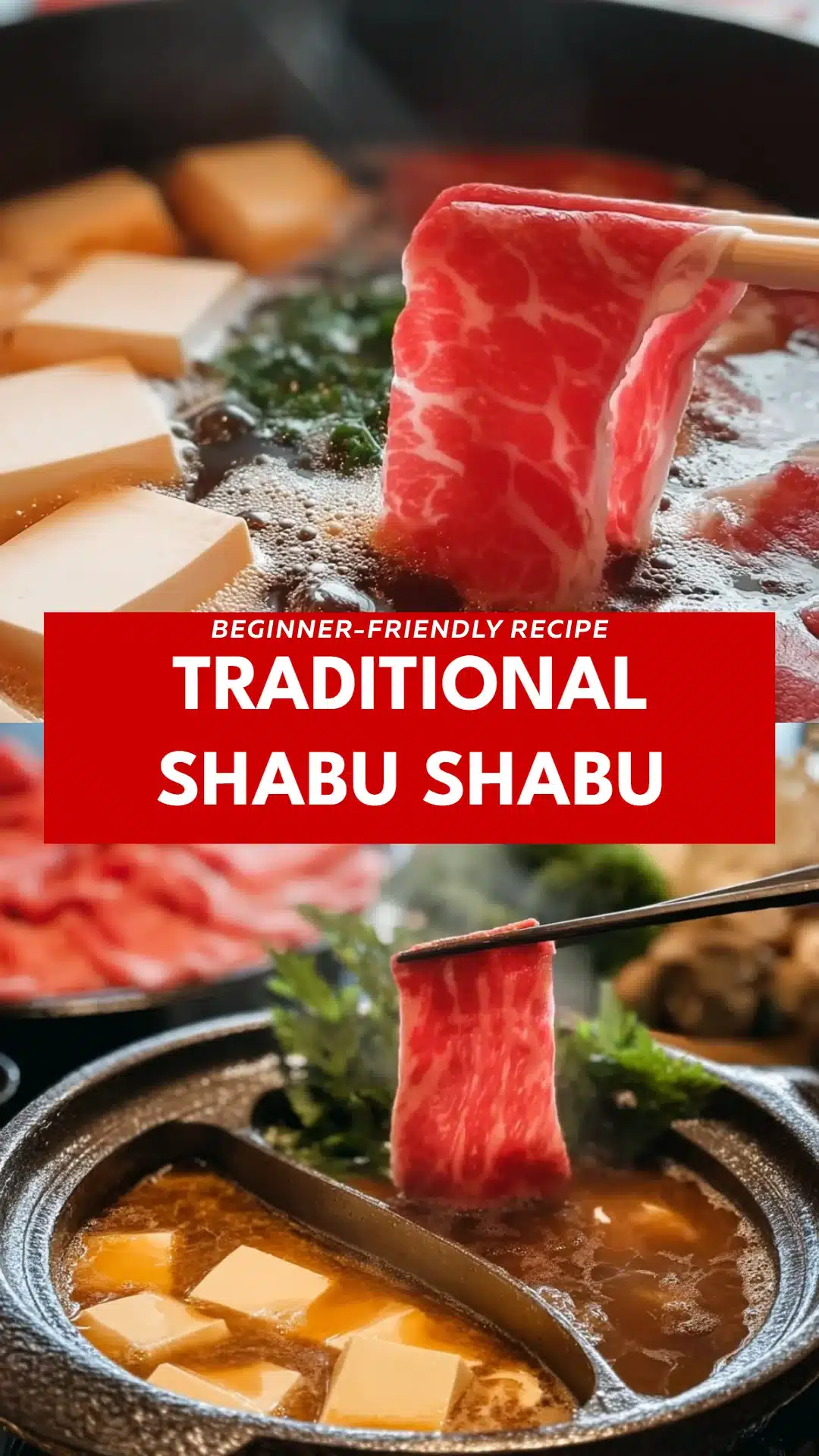
Traditional Shabu Shabu
- Total Time: 40 minutes
- Yield: 4 servings 1x
- Diet: Healthy
Description
Experience the warmth and joy of Traditional Shabu Shabu, a Japanese hot pot dish perfect for gatherings.
Ingredients
- 10 g dried kelp (kombu)
- 1 liter water
- 3 tbsp sake
- Yuzu peel (optional)
- 450 g thinly sliced beef (paper-thin 1-2 mm)
- 200 g Napa cabbage (roughly cut)
- 100 g chrysanthemum greens (shungiku) (halved)
- 50 g carrot (peeled and thinly sliced)
- 100 g enoki mushrooms (roots removed)
- 100 g firm tofu (cubed)
- 4 fresh shiitake mushrooms (stems trimmed)
- 100 g bean sprouts
- 50 g thin glass noodles (harusame) (with short cooking time)
- 200 g cooked udon noodles (optional)
- 4 cut rice cakes (kirimochi) (toasted, optional)
- Ponzu sauce
- Finely chopped green onions (optional)
- Grated daikon radish (daikon oroshi) (optional)
- Spicy grated daikon radish (momiji oroshi) (optional)
- 2 tbsp sesame paste (nerigoma) (or tahini)
- 1 tbsp Japanese soy sauce (koikuchi shoyu)
- 2 tbsp rice vinegar (unseasoned)
- ½ tbsp yellow miso paste (awase)
- 2 tbsp sugar
- Garlic chive(s) (finely chopped, optional)
- Chili oil (rayu) (optional)
- Grated garlic (optional)
Instructions
- Soak the dried kelp (kombu) in 1 liter of water for about 30 minutes to extract its umami flavor.
- Bring the soaked kombu water to a gentle simmer over medium heat.
- Add 3 tbsp of sake to the broth, enhancing the flavor.
- Optional: Include yuzu peel for an aromatic touch.
- Remove the kombu after the broth reaches a simmer.
- Arrange thinly sliced beef, vegetables, tofu, and mushrooms on a platter.
- Invite family and friends to dip their chosen ingredients into the simmering broth.
- Pair with ponzu sauce for a delightful dipping experience.
- Serve additional garnishes like green onions, daikon, or spicy daikon radish for an added flair.
- Enjoy the fun of hot pot dining, mingling and creating a memorable meal together.
Notes
Experiment with different dipping sauces and additional ingredients like seafood or various mushrooms for creativity.
- Prep Time: 30 minutes
- Cook Time: 10 minutes
- Category: Main Course
- Method: Hot Pot
- Cuisine: Japanese
Nutrition
- Serving Size: 1 serving
- Calories: 400
- Sugar: 6g
- Sodium: 350mg
- Fat: 16g
- Saturated Fat: 4g
- Unsaturated Fat: 8g
- Trans Fat: 0g
- Carbohydrates: 40g
- Fiber: 5g
- Protein: 20g
- Cholesterol: 40mg